
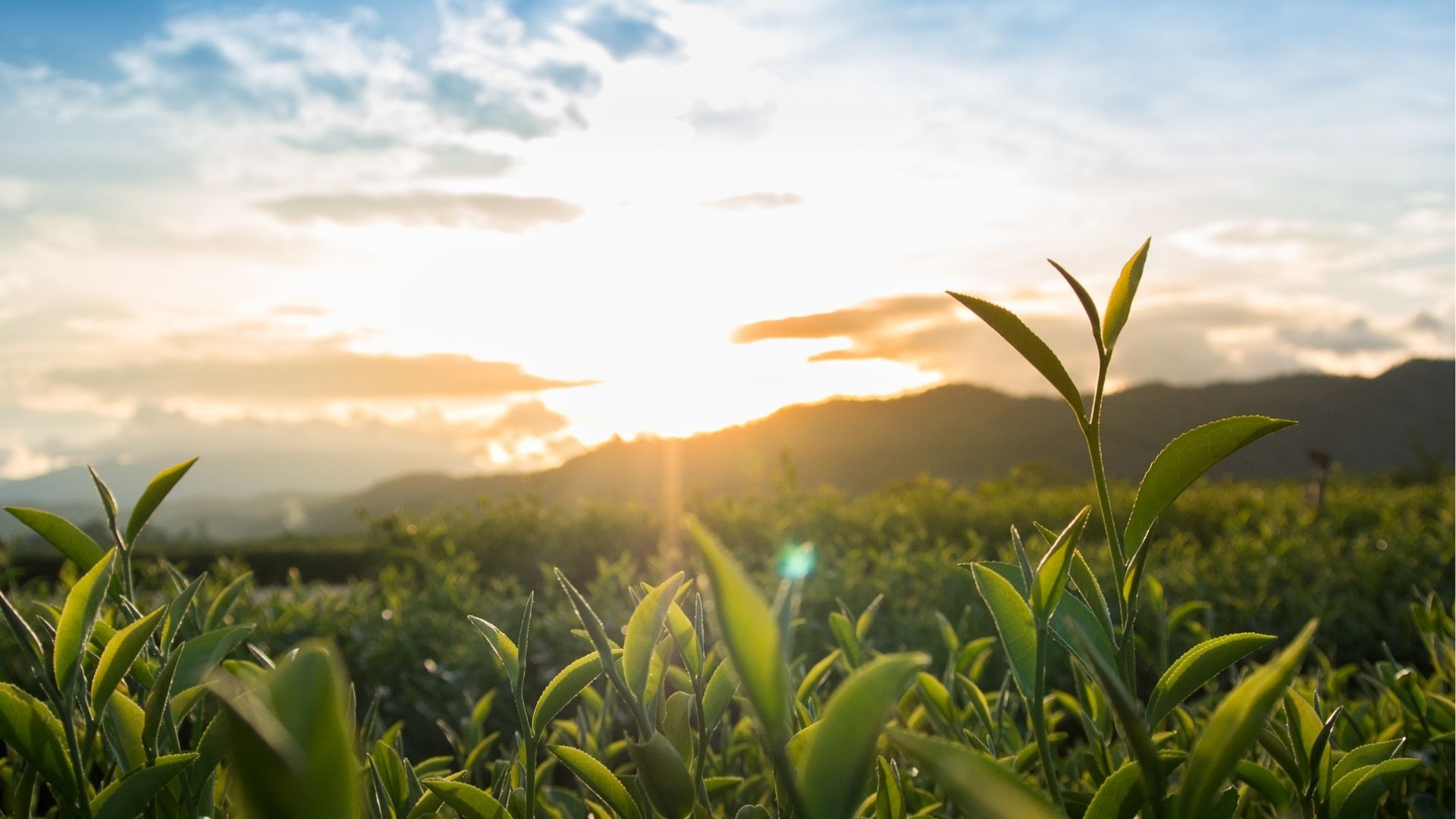
Assam tea is known worldwide for its deep colour, malty strength, and unmistakable richness. Whether enjoyed plain, with milk, or as part of a morning ritual, Assam tea delivers a bold cup that feels satisfying and full-bodied. But what exactly makes tea from Assam so distinctive compared to other regions?
Let’s explore the natural factors behind Assam tea’s strength, flavour, and character—straight from origin to cup.
Why Is Assam Tea So Rich and Bold by Nature?
Assam tea is naturally rich and bold because it grows in a unique tropical climate, fertile riverine soil, and low-altitude gardens that encourage strong, malty flavours and high natural briskness. These conditions create teas with deep colour, full body, and a powerful taste profile unmatched by most other tea regions.
This boldness is not manufactured—it is shaped by geography, climate, and craftsmanship.
The Geography That Shapes Assam Tea’s Character
Assam is the only major tea-growing region in the world located at sea level. Situated along the Brahmaputra River basin, the region benefits from:
-
Nutrient-rich alluvial soil
-
High humidity and heavy rainfall
-
Warm days and cool nights
These conditions push tea bushes to grow vigorously, producing large, flavour-packed leaves. Unlike high-altitude teas that are lighter and floral, Assam tea develops strength, depth, and a rounded mouthfeel.
Climate: The Secret Behind Assam’s Strength
Assam’s long monsoon season and intense summer heat play a critical role in flavour development. The tea plants experience rapid growth cycles, which leads to:
-
Higher natural tannins
-
Stronger liquor and darker infusion
-
A malty, sometimes slightly sweet undertone
This is why Assam tea holds up exceptionally well to milk and sugar without losing its identity.
The Famous Assam Second Flush
Much of Assam tea’s reputation comes from its Second Flush, harvested during peak summer months. These leaves are known for:
-
Coppery tips
-
Robust body
-
Rich malt and subtle honey notes
Second Flush Assam teas are prized globally and often considered the region’s finest expression—bold yet balanced, powerful yet smooth.
The Role of the Assamica Tea Plant
Assam tea comes from the Camellia sinensis var. assamica plant, which has larger leaves and higher caffeine content than the Chinese tea variety. This naturally contributes to:
-
A stronger brew
-
Fuller texture
-
Long-lasting flavour on the palate
It’s one of the reasons Assam tea is favoured for breakfast blends and everyday drinking.
Craftsmanship: Turning Nature into Character
While nature gives Assam tea its raw strength, skilled craftsmanship refines it. From careful plucking to precise oxidation and sorting, experienced tea makers ensure that boldness never becomes harshness.
At heritage estates, tea is often packed close to origin, preserving freshness, aroma, and complexity—so what you taste reflects the garden, not a warehouse.
Why Assam Tea Feels So Satisfying
Assam tea doesn’t whisper—it speaks with confidence. Its richness comes from a rare combination of climate, soil, plant variety, and tradition. The result is a tea that feels grounding, energising, and deeply comforting in every cup.
Experience Authentic Assam Tea with Mokalbari
If you want to taste Assam tea in its purest, most characterful form, choose tea that stays true to its origin. Mokalbari brings you whole-leaf Assam teas grown in historic gardens, crafted with care, and packed to preserve their natural richness and bold flavour.
Discover the depth, strength, and heritage of real Assam tea—straight from the estate to your cup with Mokalbari 🍃
